By Antonio Hernandez-Rodicio
Source: EL PAIS - Lunes, 19 de julio de 1999
http://elpais.com/diario/1999/07/19/andalucia/932336549_850215.htmlMATI KLARWEIN PINTOR "Para hacer buenos retratos hay que ser psicólogo, cirujano plástico y vidente"
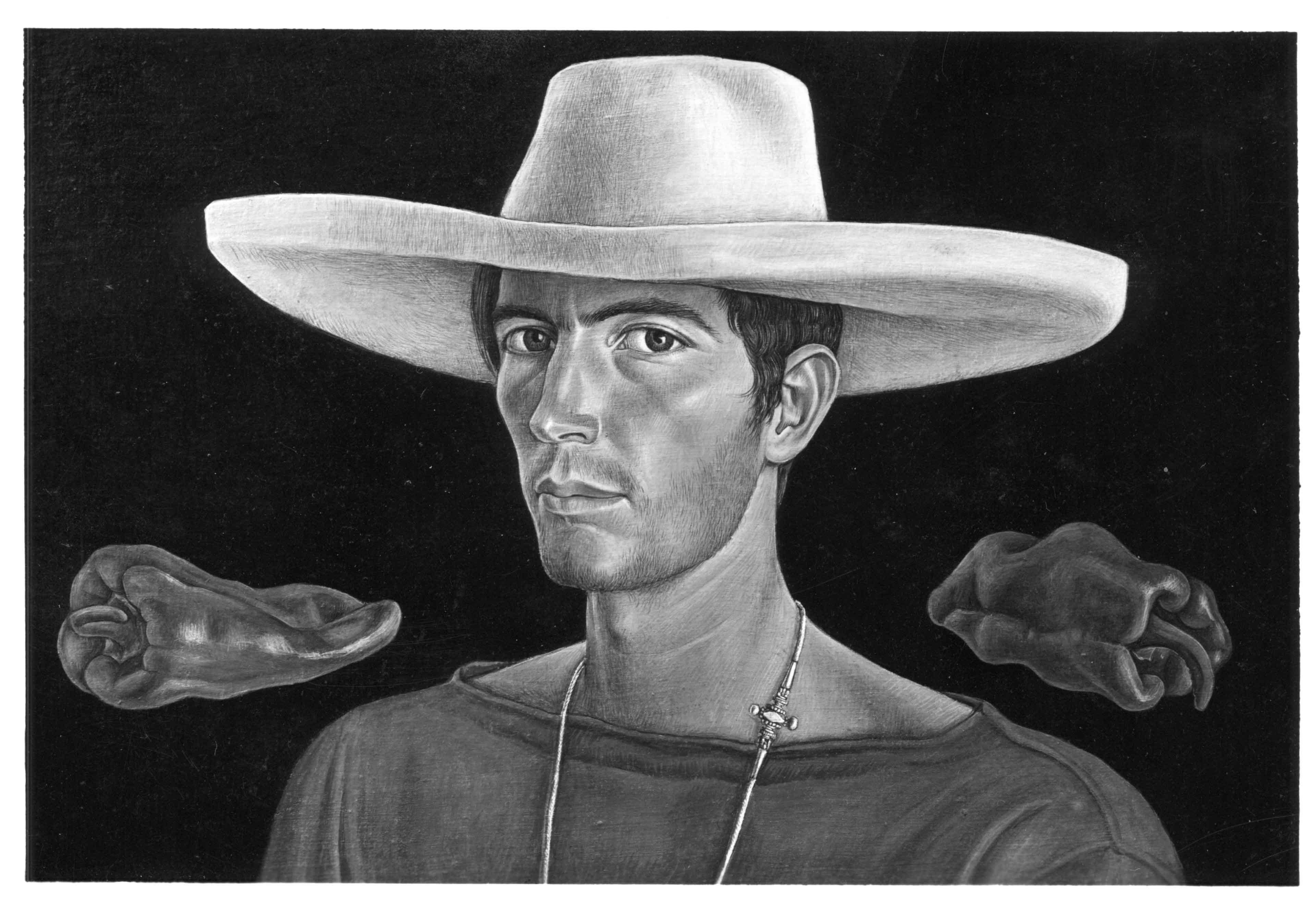
Mati Klarwein (Hamburgo, 1932) practica una pintura que es una mezcla de surrealismo pop con pinceladas románticas, ambientales y conceptuales. "Universal, porque no soy ni lo bastante pop ni lo bastante surrealista", dice. Admira a Dalí. Hoy vive en el norte de Mallorca, pero se ha pasado media vida haciendo y deshaciendo las maletas: Palestina, Francia, Marruecos, Turquía, India, Jamaica, Indonesia... Su paleta -óleo y témpera- se ha impregnado de cada paisaje. Su exposición 'Mil Ventanas' se puede visitar en la Diputación de Cádiz hasta el 31 de ... Read More.
By Mati Klarwein
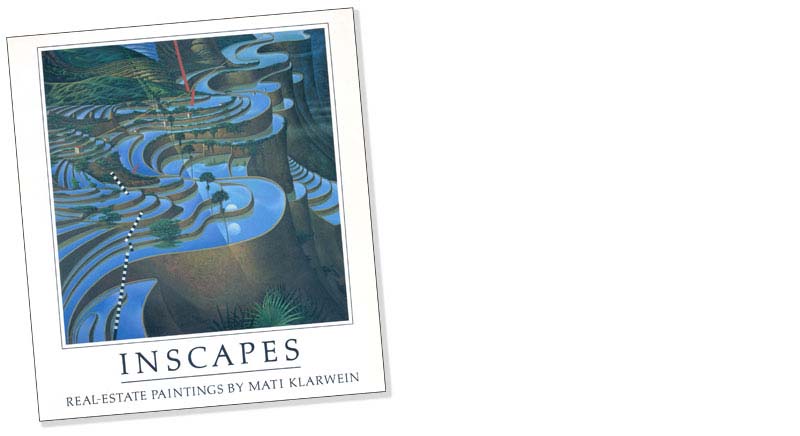
Source: INSCAPES 'Real-Estate Paintings by Mati Klarwein'
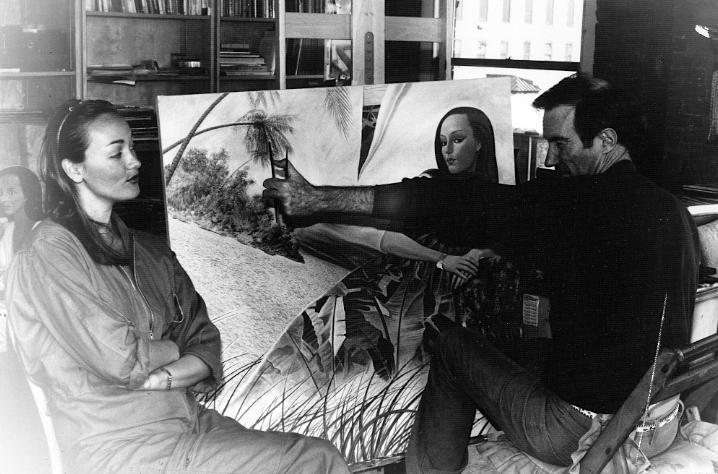
INTERVIEWER: Which one of your paintings do you consider to be the best?
ABDUL MATI KLARWEIN: The one I'm working on now.
INT: Good! I'm glad you're still making spiritual progress! My second question is: What are you trying to say? What is the message behind all this imagery?
AMK: What you see is what you get. Nothing less, nothing more.
INT: Please elaborate - I want an answer, not a motto.
AMK: [Sings]: "I don't want a pickle, I just want to ride my motto-sickle" ...Well... Some visual artworks are made to be talked about more than to be seen, others are made to be seen more ... Read More.
By by Conny C Lindström and Peter Holmlund
Source: The Art Bin
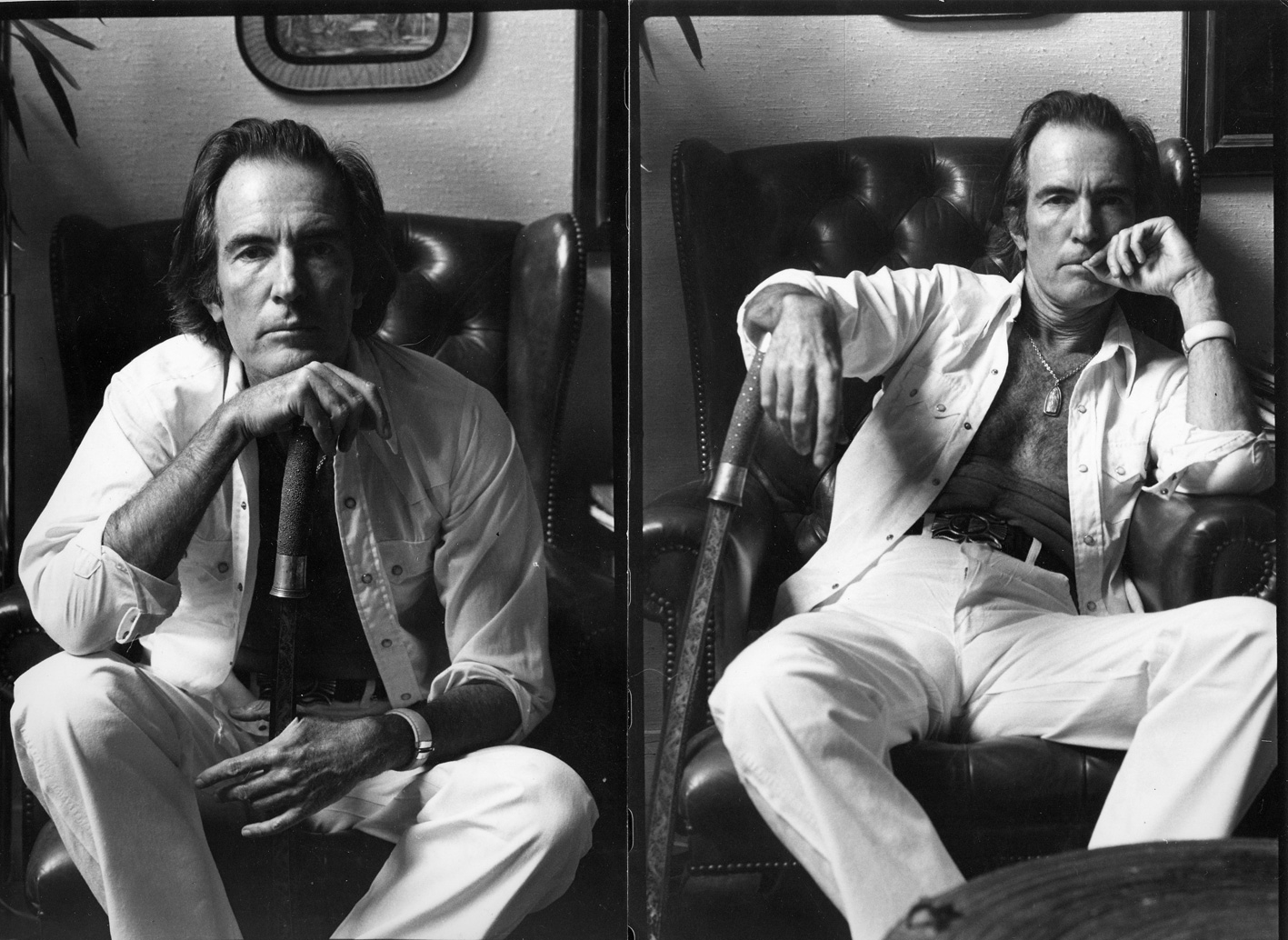
http://art-bin.com/art/aklarwein.htmlThe artistry of Mati Klarwein will always be connected with the music that he helped visualise: the mind-expanding explorations of the late sixties and early seventies. Perhaps the record covers of Santana's "Abraxas" and Miles Davis' "Bitches Brew" are even more widely recognised than their musical content. At the very least anyone who has ever owned a copy of either of those albums can testify that the cover-paintings are as integral to the experience as the music itself.
Today Mati Klarwein resides on the island of Majorca in the Mediterranean, where he was gracious enough to receive us.
In the late fifties the great jazz musician Yusef Lateef received a portrait of himself from a painter named Abdul Mati. Lateef was portrayed as almost ... Read More.
By Alex Grey
Source: alexgray.com
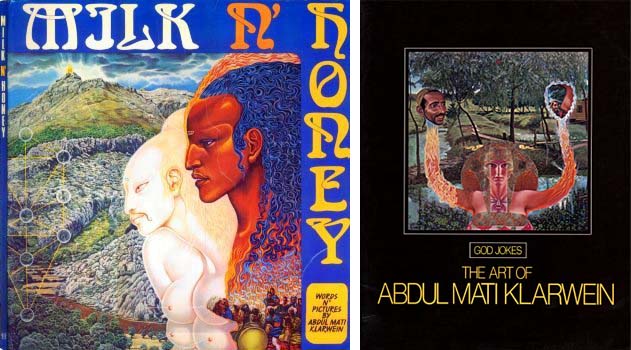
http://www.alexgrey.com/The divinely inspired Mati Klarwein created some of the world's most visionary and astonishing paintings with meticulous brush strokes of genius. I was introduced to Mati's work in 1974 by my roommate from art school who showed me Milk 'n Honey (Harmony Books, 1973), Mati's first book of paintings. The book is now a rare collectors item. Milk 'n Honey documents Mati's climactic masterpiece, the Aleph Sanctuary, a work dedicated to "the undefined religion of everything". With 70 painted panels, it took him ten years to complete.Mati worked for two years on some paintings, like his Crucifixion (Freedom of Expression) an unforgettably infinite interacial orgy spread over a wide-branched tree of life. Another two year piece was Grain of Sand, an ... Read More.
By L. Caruana
Source: The Visionary Revue (2004)
http://visionaryrevue.com/webtext3/klarwein1.htmlThe art of Mati Klarwein manifests, above all, a movement towards transcendence. Each of his images presents, not only a sensuously alluring figure or landform, but also arranges them in such a way as to intimate a hidden and higher aspect. That is why a beautiful black woman becomes the virgin of 'The Annunciation' or his perspective onto a landscape assumes ever greater aerial heights.
'Visual games' abound, such as perceptual echoes, mirror images, vibratory colors and the free exchange of figure with abstraction. Many of these perceptual distortions seem to evoke the world of hallucinogens, but the most psychedelic aspect of his work, it should be noted, is its hyper-realist execution, lending an astounding 'presence' to all the objects he renders.
When the artist ... Read More.